Elevating Property Marketing with Modern Real Estate Social Media for Home Listings
The landscape of property marketing has shifted dramatically in recent years, moving away from static newspaper ads and generic website galleries toward dynamic, engaging visual storytelling. At the heart of this transformation is Modern Real Estate Social Media for Home listings, a concept that goes beyond simply posting pictures of houses. It represents a strategic approach to showcasing properties where aesthetics, speed, and brand consistency converge to capture the attention of today's digital-first homebuyers. For real estate agents, brokers, and property marketers, mastering this approach is no longer optional; it is a fundamental requirement for staying competitive in a saturated market.
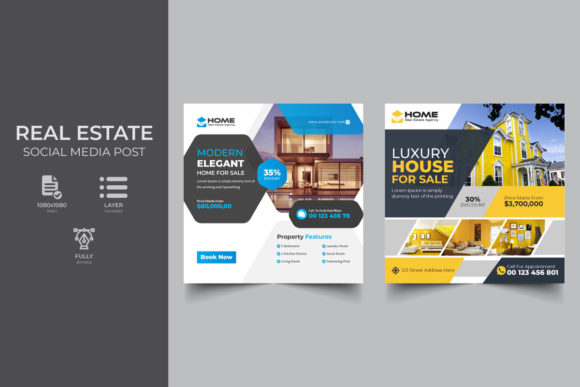
In an era where scrolling behavior dictates visibility, the quality of your visual content determines whether a potential buyer stops to look or keeps swiping. This is where the demand for high-quality design resources has surged. Professionals are increasingly seeking tools that allow them to produce polished, on-brand content without needing to be graphic designers themselves. A clean and modern professional social media template for any kind of business serves as the backbone for this efficiency, providing a structured yet flexible foundation for communication.
The Evolution of Visual Expectations in Property Sales
Why has the focus shifted so intensely toward social media visuals? The answer lies in changing consumer habits. Today's buyers, particularly those in the 20 to 50 age demographic, conduct the majority of their initial property research on mobile devices. They are accustomed to the high-production value seen in lifestyle branding, travel photography, and influencer content. When a real estate post looks outdated, cluttered, or low-resolution, it subconsciously signals that the property itself may be neglected or that the agent lacks attention to detail.
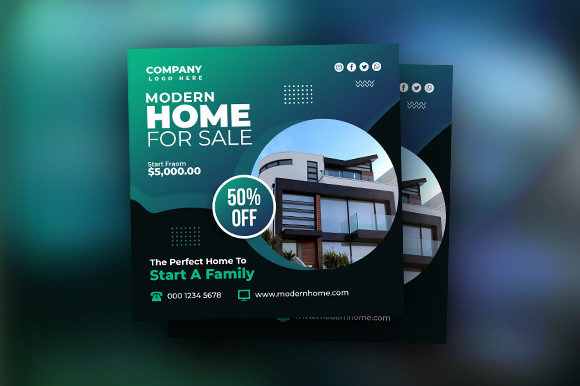
Modern Real Estate Social Media for Home marketing addresses this by aligning property presentations with current design trends. This means utilizing whitespace effectively, choosing typography that is legible on small screens, and ensuring color palettes evoke the right emotional response—whether that is the warmth of a family home or the sleek sophistication of a luxury condo. The evolution here is not just about better cameras; it is about better composition and layout. Users expect immediate clarity. They want to know the price, location, and key features within seconds of seeing a post.
This shift has also changed the workflow for real estate professionals. In the past, an agent might have waited days for a marketing team to produce a flyer. Now, the cycle is hourly. If a new listing hits the market at 9 AM, the expectation is that it will be live on Instagram, Facebook, and LinkedIn by 9:30 AM. This pressure necessitates tools that streamline creation. Relying on complex software like Photoshop for every single post is often impractical for busy agents. Instead, the industry is leaning toward pre-designed assets that maintain professional standards while allowing for rapid customization.
Leveraging Professional Templates for Consistent Branding
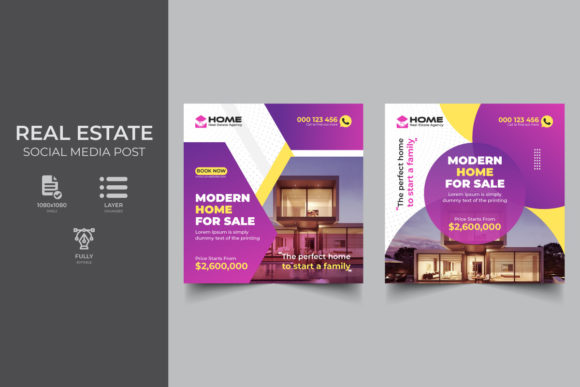
Consistency is the cornerstone of trust in real estate. When a follower sees a post in their feed, they should immediately recognize the agent or agency behind it before even reading the name. This brand recognition is built through repetitive visual cues: specific fonts, logo placement, and a distinct style of imagery. Using a clean and modern professional social media template ensures that every post adheres to these brand guidelines, regardless of who on the team creates it or how rushed the deadline might be.
Consider the technical advantages of using a fully editable EPS file for your social media graphics. Unlike flat image files, vector-based templates offer infinite scalability without losing quality. This is crucial when adapting content for different platforms—a square image for Instagram might need to be cropped or resized for a LinkedIn banner or a Facebook cover. A well-organized layer structure within the file allows users to toggle elements on and off, change background colors, or swap out text boxes with ease. For instance, if you need to highlight a "Just Sold" status versus a "New Listing," a layered file lets you make that switch instantly without rebuilding the entire graphic.
The specifications of these templates matter significantly. A standard dimension of 1080px by 1080px has become the gold standard for square social posts, optimizing display on both mobile and desktop interfaces. However, the true value lies in the editability. Features such as "Free Font" usage mean that agents do not need to purchase expensive licenses or worry about font compatibility issues when sharing files with colleagues. When a template notes that "Image [is] not included," it is a reminder that the framework is ready for your specific property photos, ensuring that the unique selling points of each home take center stage while the design supports rather than distracts.
Practical Strategies for Implementing Modern Social Posts
Integrating these tools into a daily workflow requires a strategic mindset. It is not enough to simply download a template and upload it; one must understand how to adapt the content to the platform and the audience. Here are practical ways to maximize the impact of Modern Real Estate Social Media for Home campaigns:
- Prioritize High-Quality Imagery: Since the template frame is fixed, the variable that changes is the photo. Ensure that the images you insert are professionally lit and staged. A beautiful template cannot save a blurry or dark photo. The interplay between the clean design borders and the vibrant property image creates the desired "magazine cover" effect.
- Customize for the Platform: While a 1080x1080 format is versatile, consider how the caption complements the visual. On Instagram, the visual does the heavy lifting, so keep text on the image minimal—perhaps just the address and price. On LinkedIn, you might include more detailed bullet points directly on the graphic if the audience prefers data-driven insights.
- Maintain Layer Organization: When editing EPS files, always respect the layer organization. Keep text layers separate from background elements. This prevents accidental deletion of critical design components and makes it easier to batch-edit multiple listings. If you have ten new homes to list, an organized file allows you to swap images and text rapidly across all ten designs.
- Adapt to Seasonal Trends: A modern template is flexible enough to accommodate seasonal shifts. You can subtly adjust accent colors to reflect spring freshness or winter coziness without altering the core brand identity. This keeps the feed feeling fresh and relevant throughout the year.
The Role of Technology in Streamlining Content Creation
The availability of easy-to-edit resources reflects a broader trend in the gig economy and freelance culture. Real estate agents are increasingly acting as their own content creators, marketers, and videographers. The barrier to entry for high-quality design has lowered, thanks to accessible file formats and intuitive software interfaces. This democratization of design allows individual entrepreneurs to compete with large brokerages that have dedicated marketing departments.
Furthermore, the use of vector files (EPS) ensures future-proofing. As screen resolutions continue to increase—from Retina displays to 4K monitors—raster images can become pixelated. Vector graphics, however, remain crisp at any size. This technical detail is often overlooked but is vital for maintaining a premium perception. When a potential client zooms in on a listing detail on a high-resolution tablet, the text and lines should remain sharp. This attention to technical quality reinforces the perception of professionalism and care.
It is also worth noting the psychological impact of a "clean" aesthetic. In a digital environment cluttered with noise, ads, and endless content, simplicity stands out. A minimalist design suggests confidence. It implies that the property speaks for itself and does not need flashy gimmicks to sell. This aligns with the preferences of modern buyers who value transparency and authenticity over aggressive sales tactics.
Building Long-Term Value Through Visual Identity
Ultimately, the goal of adopting Modern Real Estate Social Media for Home strategies is to build long-term brand equity. Every post is an opportunity to reinforce your reputation. When you consistently deliver visually appealing, easy-to-read, and professionally designed content, you train your audience to associate your brand with quality. This trust translates into referrals and repeat business.
For creators and marketers outside of real estate, the principles remain the same. Whether selling a service, a product, or an idea, the need for a clean and modern professional social media template is universal. The specific features—such as being fully editable, having organized layers, and using free fonts—are benefits that apply to any business looking to scale its content production without sacrificing quality. The 1080px by 1080px standard provides a reliable canvas, while the exclusion of stock images encourages the use of authentic, original photography that truly represents the brand.
As we look forward, the integration of these design practices will only deepen. We may see more interactive elements or video-integrated templates, but the core requirement for clarity, consistency, and professional presentation will remain unchanged. By embracing these tools now, professionals position themselves not just as participants in the market, but as leaders who understand the language of modern digital communication. The result is a more efficient workflow, a stronger brand presence, and ultimately, better connections with the people they serve.