Elevate Your Brand with Digital Social Media Marketing
In the fast-paced world of modern commerce, Business Marketing Digital Social Media has evolved from a simple add-on to the central nervous system of brand communication. It is no longer just about posting pictures; it is about crafting a narrative that resonates, engages, and converts. For creators, entrepreneurs, and small business owners, mastering this landscape means understanding that visual consistency and strategic messaging are the keys to unlocking growth. Whether you are a freelancer looking to attract new clients or an educator sharing knowledge, the way you present your digital presence defines your credibility.
The core of effective digital marketing lies in the ability to adapt. A static image might work for a corporate announcement, but a dynamic, well-designed graphic often stops the scroll on Instagram or LinkedIn. This is where the intersection of design and strategy becomes critical. When you utilize tools that allow for quick customization, such as fully editable templates, you empower yourself to maintain a high standard of quality without getting bogged down in technical complexities. The goal is to spend less time wrestling with software and more time refining your message.
The Power of Visual Consistency in Branding
One of the most significant challenges facing marketers today is maintaining a cohesive visual identity across multiple platforms. Your audience might encounter your brand on a mobile feed, a desktop website, or a story highlight. If the fonts, colors, and layout styles shift dramatically between these touchpoints, trust erodes. Consistency builds recognition. When a user sees a specific color palette or typography style, they should immediately associate it with your business values and offerings.
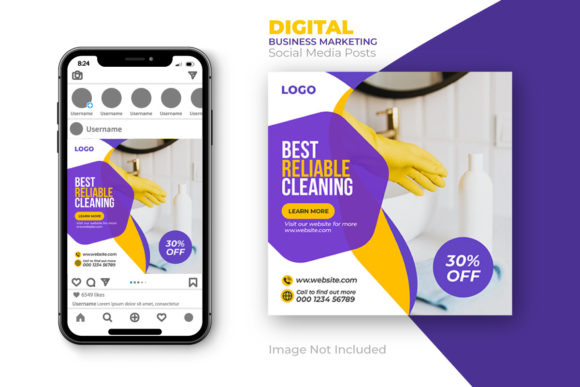
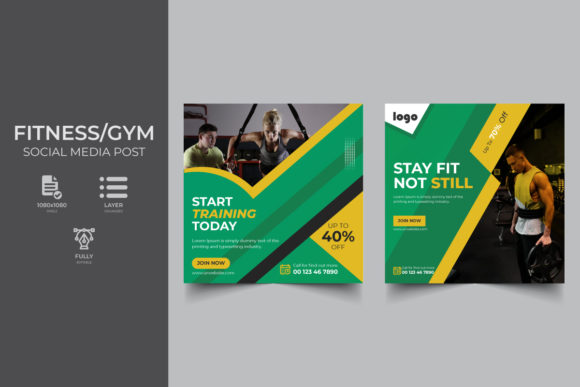
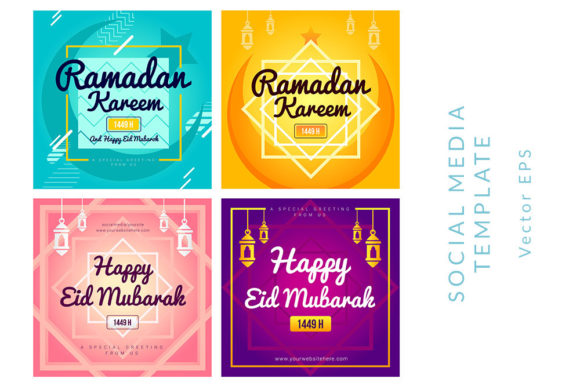
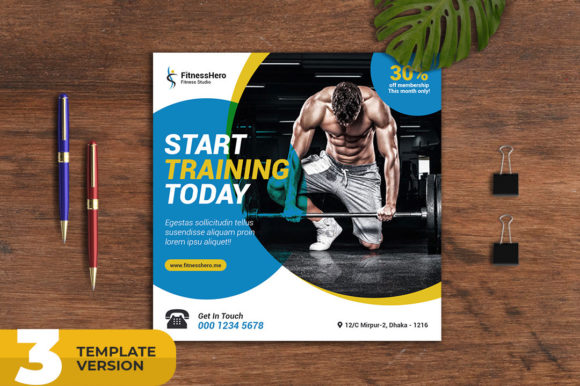
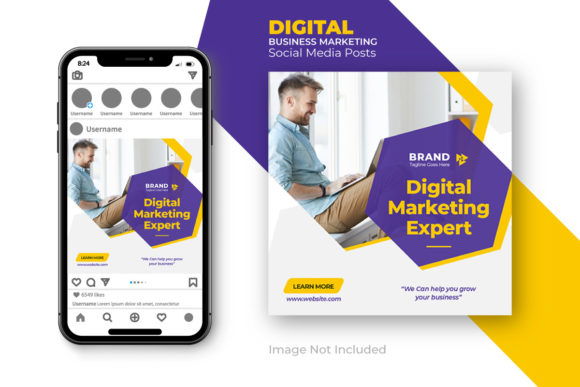
This is why utilizing structured design assets is so valuable. Imagine having a foundation where the heavy lifting of layout and alignment is already done. By using a template that is fully editable in professional software like Adobe Illustrator, you ensure that every post adheres to your brand guidelines. You can swap out text, change images, and adjust colors while keeping the underlying structure intact. This approach guarantees that your marketing materials look polished and professional, regardless of who on your team is creating them.
Consider the psychological impact of a well-organized design. Clean lines, appropriate whitespace, and legible typography signal competence. When potential customers see a chaotic or poorly formatted post, they subconsciously question the reliability of the business behind it. Conversely, a sleek, 1080x1080 pixel graphic optimized for social feeds suggests attention to detail. It tells your audience that you care about their experience enough to present your information clearly.
Creative Applications for Diverse Industries
The versatility of digital social media marketing allows it to be tailored to virtually any industry. The same principles of clear communication and visual appeal apply whether you are selling handmade crafts, offering consulting services, or promoting an educational course. Here is how different professionals can leverage these strategies:
- Small Business Owners: Use consistent templates to announce weekly specials, showcase customer testimonials, or introduce new products. The speed of editing allows you to react to market trends instantly.
- Freelancers and Creatives: Build a portfolio presence by sharing case studies or behind-the-scenes looks at your process. A standardized format helps potential clients visualize what working with you looks like.
- Educators and Coaches: Break down complex topics into bite-sized, visually engaging carousels. Clear typography and organized layouts make information easier to digest and share.
- Bloggers and Influencers: Maintain a distinct aesthetic that separates your personal brand from the noise. Unique variations of a core template can keep your feed fresh while remaining recognizable.
The beauty of digital marketing assets is their adaptability. A single design concept can be repurposed for a LinkedIn article header, an Instagram post, or a Facebook ad. By understanding the core elements of your design—such as the hierarchy of information and the emotional tone of the imagery—you can translate your message across formats without losing its impact.
Practical Steps for Effective Implementation
To get the most out of your digital marketing efforts, you need a workflow that balances creativity with efficiency. You do not need to be a graphic design expert to produce stunning results, but you do need to understand the basics of how these elements come together. Knowing how to manipulate text layers, adjust color values, and export files in the correct format (RGB for screens, 72 DPI for web) is essential.
Start by defining your content pillars. What are the three to five main topics you want to discuss? Once you have these themes, you can create variations of your templates to match each pillar. For instance, use a bold background color for announcements and a cleaner, white-heavy layout for educational tips. This subtle variation keeps your feed interesting while maintaining structural consistency.
- Select the Right Tools: Ensure you have access to software that supports vector editing, such as Adobe Illustrator. This allows you to scale graphics without losing quality.
- Organize Your Assets: Keep your fonts, logos, and brand colors in a dedicated folder. Using free, high-quality fonts like Montserrat can elevate your design instantly while ensuring readability.
- Plan Ahead: Batch your content creation. Spend one hour customizing a week's worth of posts rather than rushing to create one every day. This leads to higher quality and less stress.
- Review and Refine: Before publishing, view your designs on a mobile device. What looks good on a large monitor might appear cluttered on a phone screen. Adjust font sizes and spacing accordingly.
Maximizing Engagement Through Clarity
In the realm of Business Marketing Digital Social Media, clarity is king. Users scroll quickly, often making split-second decisions about whether to engage with content. Your design must communicate the value proposition immediately. Avoid cluttered layouts where the message gets lost. Instead, focus on a single, strong headline supported by compelling visuals.
Furthermore, accessibility should always be a priority. Ensure there is sufficient contrast between your text and background. Use fonts that are easy to read even at smaller sizes. When your content is accessible, you widen your reach and demonstrate inclusivity, which strengthens your brand reputation.
Remember that technology is there to serve your creativity, not hinder it. When you have a well-organized, easy-to-edit template, you remove the friction between having an idea and executing it. This freedom allows you to experiment with different copy approaches, test various calls to action, and refine your voice. Over time, this iterative process leads to deeper insights into what your audience truly values.
Ultimately, successful digital marketing is about connection. It is about using visual and textual elements to bridge the gap between your business and your community. By embracing tools that simplify the design process and adhering to principles of consistency and clarity, you can build a digital presence that not only looks professional but also drives real results. Whether you are just starting out or looking to refresh your current strategy, the power to transform your brand lies in the details you choose to highlight today.