Happy Constitution Day: Celebrating the Foundation of American Democracy
Every year on September 17, the United States celebrates Constitution Day, a day dedicated to honoring the creation and enduring legacy of the U.S. Constitution. This pivotal document, signed in 1787, laid the foundation for the nation's government and continues to shape the lives of Americans today. As we reflect on this important occasion, it's essential to understand the significance of the Constitution and how it influences our daily lives, from the rights we enjoy to the structure of our government.
The Origins of Constitution Day
Constitution Day marks the anniversary of the signing of the U.S. Constitution on September 17, 1787, by the delegates of the Constitutional Convention. This event was a critical moment in American history, as it led to the formation of a federal government with a system of checks and balances, ensuring that no single branch of government would hold too much power. The Constitution established the framework for the three branches of government—executive, legislative, and judicial—and outlined the fundamental rights and freedoms of American citizens.
While the original document did not include a Bill of Rights, the first ten amendments were added in 1791 to protect individual liberties such as freedom of speech, religion, and the right to a fair trial. These amendments remain central to the American legal system and continue to influence modern society.
Why Constitution Day Matters
Constitution Day is more than just a historical observance; it is an opportunity to reflect on the values that define the United States. The Constitution serves as a living document that adapts to the needs of a changing society while maintaining its core principles. It is a symbol of unity, resilience, and the commitment to justice and equality for all citizens.
For many Americans, Constitution Day is also a time to celebrate Citizenship Day, which recognizes the importance of civic engagement and the responsibilities that come with being a citizen. Understanding the Constitution helps individuals appreciate their rights and the role they play in shaping the future of the nation.
Designing a Patriotic Banner for Constitution Day
As the nation prepares to commemorate Constitution Day, many individuals and organizations create banners, posters, and flyers to promote awareness and celebration. A well-designed banner can capture the spirit of the occasion while conveying key messages about the Constitution and American values.
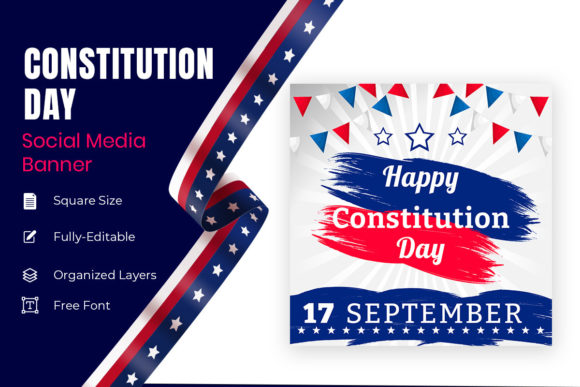
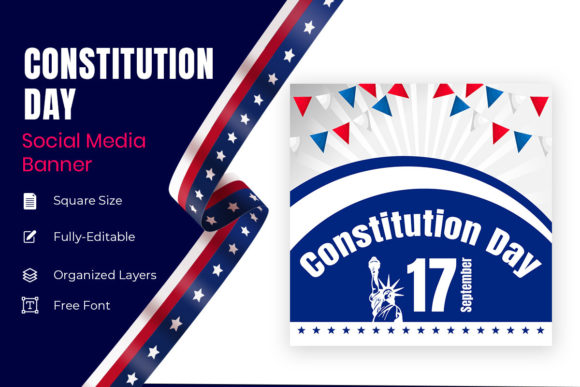
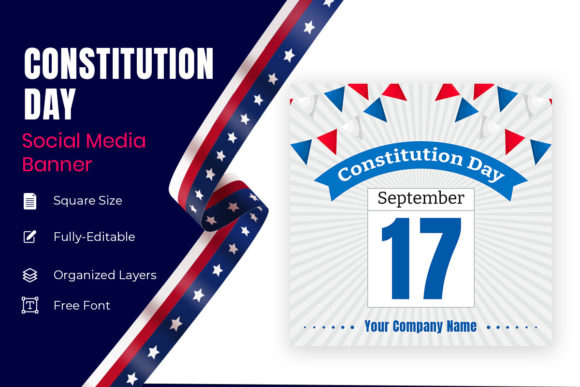
A popular design choice for Constitution Day banners includes blue and red brush strokes, symbolizing the colors of the American flag. These bold, artistic elements add a sense of patriotism and creativity to the design. Incorporating elements like stars, stripes, and iconic imagery reinforces the connection to the nation's heritage.
Key Features of a Constitution Day Design
When creating a Constitution Day banner or poster, there are several features to consider:
- Easy to customize: A good design should allow users to personalize text, images, and other elements to suit their specific needs.
- Fully editable: The ability to edit the design ensures flexibility for different uses, whether for educational purposes, public events, or personal celebrations.
- Free icons and fonts: Including free resources makes the design accessible to a wider audience without requiring additional costs.
- Multiple file formats: Providing files in various formats (PSD, AI, EPS, PDF) ensures compatibility across different platforms and software.
- Help file included: A helpful guide can assist users in navigating the design and making necessary adjustments.
These features make it easier for educators, students, and community members to create meaningful and visually appealing materials that highlight the importance of the Constitution.
How to Use a Constitution Day Banner
Constitution Day banners and posters can be used in a variety of settings, including schools, government offices, libraries, and community centers. They serve as powerful tools for education, awareness, and celebration. Here are some practical ways to use these designs:
- Educational institutions: Schools can use banners to teach students about the Constitution, its history, and its impact on American society.
- Public events: Community organizations and local governments often display banners during Constitution Day events to foster a sense of pride and unity.
- Online promotion: Digital versions of banners can be shared on social media, websites, and email newsletters to reach a broader audience.
- Personal celebrations: Individuals can use custom-designed banners to mark the occasion at home, highlighting their appreciation for the nation's founding document.
Whether displayed in a classroom, on a website, or at a public gathering, a Constitution Day banner is a meaningful way to honor the past and inspire the future.
Understanding the Role of the Constitution in Modern Life
The U.S. Constitution is not just a historical document; it is a guiding force in modern life. Its principles influence everything from legal decisions to political processes, and from everyday interactions to national policies. For example, the First Amendment protects the right to free speech, allowing individuals to express their opinions without fear of government censorship. The Fourth Amendment safeguards against unreasonable searches and seizures, ensuring personal privacy.
In addition, the Constitution plays a vital role in shaping the business and technology sectors. Legal frameworks based on constitutional principles help regulate industries, protect intellectual property, and ensure fair competition. As technology evolves, the Constitution continues to provide a foundation for addressing new challenges, such as digital privacy and online freedoms.
Common Misconceptions About the Constitution
Despite its importance, the Constitution is sometimes misunderstood or overlooked. One common misconception is that the Constitution is a static document that does not change over time. In reality, the Constitution has been amended several times to address new societal needs and challenges. For instance, the 13th, 14th, and 15th Amendments abolished slavery, granted citizenship to former slaves, and protected voting rights for African American men.
Another misunderstanding is that the Constitution guarantees absolute rights. While the Constitution outlines fundamental rights, these rights are subject to interpretation and can be limited in certain circumstances. For example, the right to free speech may be restricted in cases where it poses a threat to public safety or national security.
By understanding these nuances, individuals can develop a more comprehensive view of the Constitution and its role in American life.
Encouraging Civic Engagement and Education
Constitution Day is an excellent opportunity to encourage civic engagement and promote education about the nation's founding document. Educators, parents, and community leaders can use this day to teach others about the importance of the Constitution and how it affects their daily lives. By fostering a deeper understanding of the Constitution, we can empower individuals to become informed and active participants in the democratic process.
Additionally, celebrating Constitution Day can inspire creativity and innovation. Designers and artists can contribute by creating visually compelling materials that educate and engage the public. Whether through banners, posters, or digital content, these efforts help keep the spirit of the Constitution alive and relevant.
As we approach September 17, let us take a moment to reflect on the significance of the U.S. Constitution and the values it represents. By embracing its principles and promoting its teachings, we can ensure that the legacy of the Constitution continues to shape the future of the United States.