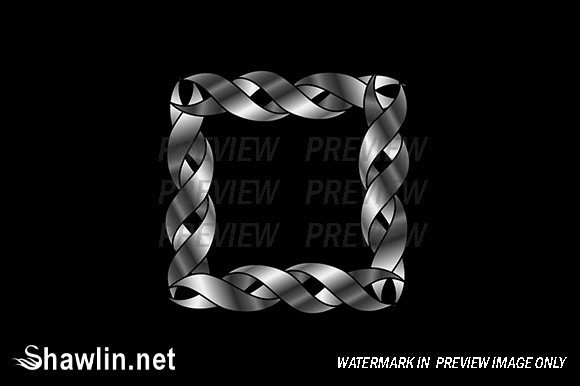
Unlocking Potential with Abstract Metallic Frames
In the fast-paced world of digital design, the difference between a project that feels flat and one that commands attention often lies in the details. An abstract metallic frame or design element serves as more than just a border; it is a structural tool that adds depth, luxury, and focus to visual content. Whether you are crafting a wedding invitation, designing a product launch banner, or building a corporate presentation, these elements provide an instant upgrade in perceived value. The versatility of metallic textures—ranging from brushed steel to polished gold—allows creators to adapt a single asset across vastly different industries and aesthetic requirements.
What makes these specific design assets particularly valuable is their adaptability. Unlike rigid templates that force your content into a specific mold, an abstract metallic frame acts as a flexible container. It draws the eye inward while providing a sophisticated boundary that separates your core message from the background noise. For many, the appeal lies in the illusion of three-dimensionality. A well-rendered metallic element interacts with light, creating highlights and shadows that make a two-dimensional screen feel tangible. This tactile quality is essential for brands trying to establish trust and premium status in a crowded marketplace.
Why Accessibility Matters for Every Skill Level
One of the most significant barriers for designers, especially those just starting out or working with legacy systems, is software compatibility. High-end design tools evolve rapidly, often leaving users with older versions unable to open modern file formats. This is where the technical specification of your assets becomes critical. When a package includes a Vector EPS file in an older version, it democratizes access to high-quality design. You do not need the latest subscription-based software suite to utilize professional-grade elements.
For the beginner or hobbyist, this compatibility means less frustration and more time creating. They can drag and drop these elements into their projects without worrying about error messages or corrupted files. For the freelancer working with diverse clients, some of whom may have outdated internal systems, delivering files that are universally readable is a mark of professionalism. It ensures that the final product looks exactly as intended, regardless of the recipient's technical setup. Furthermore, including a high-resolution JPG format zipped together offers an immediate solution for non-designers who need to insert a graphic into a Word document, a slide deck, or a social media post without navigating complex vector editing tools.
Diverse Applications Across Industries
The utility of an abstract metallic frame shifts dramatically depending on who is holding the mouse. Understanding these nuances helps you decide if this specific design element aligns with your current objectives.
- Marketers and Entrepreneurs: For this group, speed and impact are paramount. They often need to produce ad creatives or landing page headers that convert. A metallic frame provides an instant "premium" signal to consumers, suggesting that the product inside is high-quality. They prioritize the commercial value and the ability to deploy the asset quickly across multiple channels using the included JPGs.
- Professional Designers: Experienced creatives look for flexibility and editability. They care deeply about the vector nature of the EPS file. They want to manipulate the anchor points, change the gradient meshes, or isolate specific parts of the abstract design to fit a unique layout. For them, the absence of watermarks in the final file is non-negotiable, ensuring a clean workflow from concept to final export.
- Educators and Publishers: Those creating textbooks, certificates, or educational materials often need to convey authority and tradition. A subtle metallic border can elevate a certificate of completion or a chapter header, giving it a sense of permanence and importance. Their priority is reliability and clarity; the design must enhance the text, not overpower it.
- Small Business Owners: Often wearing many hats, small business owners appreciate assets that offer long-term usefulness. Buying a versatile pack means they can use the same frame for a holiday sale in December and a spring collection in March simply by adjusting colors or context. They value the cost-effectiveness of having both vector and raster formats in one purchase.
Evaluating Quality and Usability
When selecting design elements, the devil is truly in the details. A common pain point in the stock asset industry is the presence of intrusive watermarks that obscure the view of the actual design. While preview images naturally require protection to prevent theft, the final deliverable must be pristine. Knowing that there is no watermark inside the downloaded files allows you to visualize the end result accurately before you even begin editing. This transparency builds trust between the creator and the user.
Moreover, the inclusion of older version EPS files speaks to a commitment to inclusivity. In a professional environment, not everyone upgrades their software annually. By supporting older versions, the asset ensures that a team member using a slightly dated workstation can still contribute to the project without bottlenecks. This focus on flexibility and compatibility is often more valuable than having the absolute newest file format that only a fraction of users can open.
Practical Scenarios for Implementation
Imagine a blogger launching a new series on luxury travel. They can use the abstract metallic frame to border their featured images, instantly setting a tone of exclusivity. Because the file is vector-based, they can resize it for a website thumbnail or a Pinterest pin without losing any sharpness. Conversely, consider a corporate trainer developing a safety manual. They might use a subdued silver variation of the design element to highlight critical warning sections, adding visual weight to the information without resorting to alarming colors.
For the event planner, these elements are indispensable for digital invitations. The metallic sheen mimics the feel of foil-stamped paper, offering a high-end look at a fraction of the printing cost. If a client requests a last-minute change to the color scheme, the vector format allows the planner to adjust the hues instantly, demonstrating agility and responsiveness.
Making the Right Choice for Your Project
Ultimately, deciding whether an abstract metallic frame or design element is right for you comes down to your specific goals. If you need to add a touch of elegance, create a focal point, or simply polish a rough draft, these assets are powerful tools. However, it is also important to assess your technical comfort level. If you are comfortable with vector editing software, the EPS file will be your playground. If you prefer simplicity, the high-resolution JPGs will serve you well.
It is also worth noting that design needs are rarely static. What works for a social media post today might need to be scaled up for a trade show banner tomorrow. Investing in assets that offer both scalability (via vectors) and ease of use (via high-res rasters) future-proofs your creative library. And should your project demands exceed the standard offerings, remember that customization is often possible. Many creators welcome the opportunity to tailor assets to specific needs, so reaching out via a contact form for custom requests can bridge the gap between a good design and a perfect one.
By understanding the multifaceted nature of these design elements, you can move beyond simply decorating your work to strategically enhancing it. Whether you are a seasoned pro tweaking bezier curves or a small business owner dragging and dropping a JPEG, the right metallic frame can be the subtle anchor that holds your entire visual identity together.