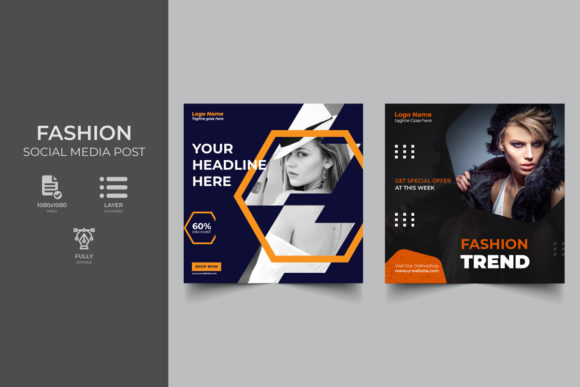
Social Media Post Template Vector Design Guide
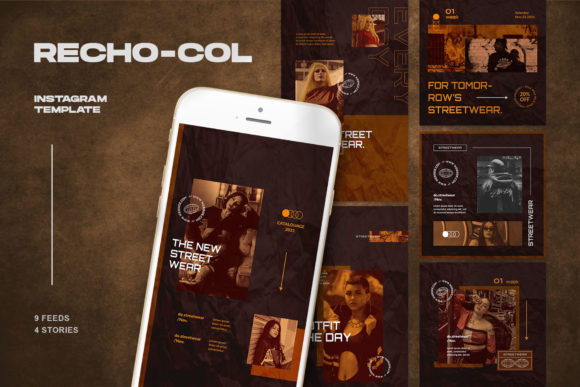
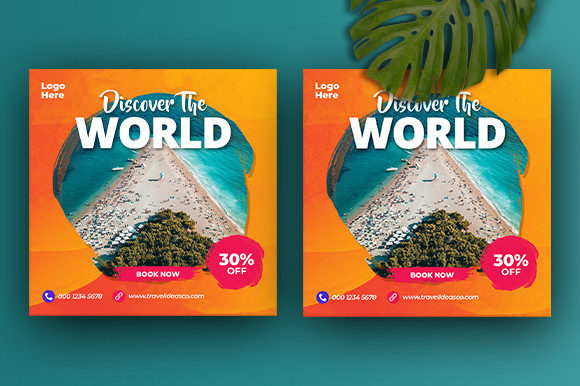
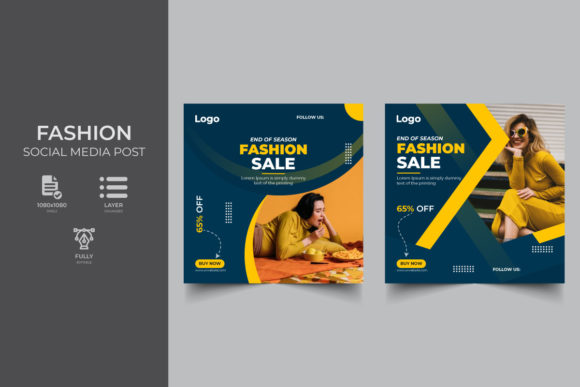
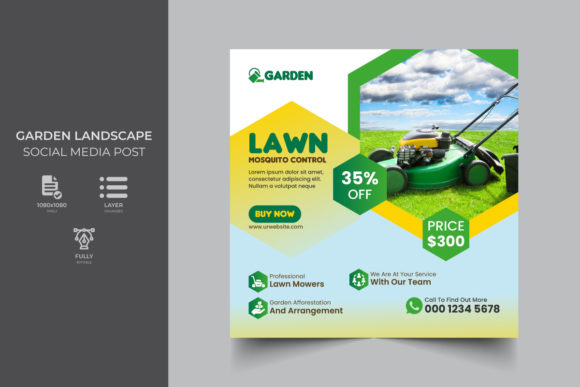
In the fast-paced world of digital marketing, consistency is often the dividing line between a brand that fades into the background and one that commands attention. For professionals, entrepreneurs, and content creators, the pressure to produce high-quality visuals daily can be overwhelming. This is where a strategic approach to design assets becomes essential. Utilizing a Social Media Post Template Vector Design offers a practical solution to maintain professional standards without requiring hours of custom illustration or advanced graphic design skills for every single update. These resources are not merely shortcuts; they are foundational tools that allow you to focus on your message while ensuring your visual presentation remains polished and cohesive.
When we discuss vector-based templates, we are referring to graphics created using mathematical paths rather than pixels. This distinction is critical for anyone serious about their online presence. Unlike raster images (like standard JPEGs or PNGs) which can become blurry or pixelated when resized, vector files remain crisp at any dimension. A clean and modern professional social media template built in this format ensures that your branding looks sharp whether it is viewed on a high-resolution smartphone screen or a large desktop monitor. The clarity of your visuals directly impacts perceived credibility; blurry or low-quality graphics can subconsciously signal a lack of professionalism to potential clients or followers.
Why Vector Formats Matter for Brand Consistency
The primary advantage of adopting a Social Media Post Template Vector Design lies in its scalability and adaptability. Most platforms, particularly Instagram and Facebook, favor square formats, typically 1080px by 1080px. While this is the standard display size, your needs may evolve. You might need to repurpose a successful post for a story, a website banner, or even a printed flyer. With a fully editable EPS file, you can resize elements without losing quality. This flexibility supports long-term brand building, allowing you to create a library of assets that grow with your business rather than becoming obsolete as technology changes.
Furthermore, the "clean and modern" aesthetic described in professional templates is not just a stylistic choice; it is a functional one. Cluttered designs confuse the viewer and dilute the call to action. A well-structured template uses negative space effectively to guide the eye toward the most important information—be it a promotional offer, an educational tip, or a product launch. By starting with a layout that already adheres to these principles of visual hierarchy, you reduce the cognitive load on your audience, making it easier for them to engage with your content.
Streamlining Your Workflow with Layer Organization
Time is a scarce resource for small business owners, marketers, and freelancers. One of the most significant benefits of using a professionally crafted template is the organization of the source file. High-quality templates come with layer organized structures. This means that text, background shapes, icons, and image placeholders are separated into distinct, logical groups within the design software.
Imagine needing to update a quote graphic for a client meeting in ten minutes. If you were building from scratch, you would spend valuable time aligning boxes and selecting fonts. With a layer-organized EPS file, you simply locate the text layer, type your new copy, and swap the placeholder image. This efficiency allows you to react quickly to trending topics or urgent news without sacrificing design quality. It transforms the design process from a creative hurdle into a streamlined administrative task.
The fact that these files are fully editable empowers users to make the design truly their own. You are not locked into a rigid structure. If your brand colors are navy and gold, but the template features blue and silver, you can change every element to match your identity instantly. This level of customization ensures that while you save time on layout, the final output feels unique to your brand voice.
Practical Applications Across Industries
Who benefits most from these tools? The answer is nearly anyone who communicates visually online. Consider an educator sharing daily study tips. Using a consistent template helps students recognize their content immediately in a crowded feed. For a real estate agent, a clean template provides a professional frame for property photos, ensuring that the listing details are legible and the branding is prominent. Freelancers and consultants can use these designs to share testimonials or case studies, lending an air of established authority to their solo ventures.
Even for hobbyists turning their passion into a side business, such as bakers or crafters, professional templates elevate their presentation. A beautifully designed post about a new cake flavor looks more appetizing and trustworthy when the typography and layout are handled with care. The template handles the heavy lifting of design theory, allowing the creator to focus on the photography of their product.
It is important to note a specific limitation mentioned in many template descriptions: image not included. This is a standard practice in the industry. The template provides the framework—the borders, the text areas, the decorative vectors—but you must supply the photographs or illustrations that represent your specific business. This is actually a benefit, as it prevents your content from looking like a generic stock asset. It forces you to inject your unique personality and actual work into the design, ensuring authenticity.
Typography and Accessibility Considerations
A crucial feature of high-quality templates is the use of free fonts. When a designer specifies free fonts, they ensure that you do not need to purchase expensive licenses to edit the file. However, this also requires diligence on your part. To maintain the "clean and modern" look, you must install the specified fonts on your system before opening the EPS file. If you substitute a font without understanding its weight and spacing characteristics, you risk breaking the layout. Text might overflow its container or appear too thin to read on mobile devices.
Accessibility should also be a priority when editing these templates. Ensure that the contrast between your text and the background remains high enough for all users to read comfortably. Just because a template looks good initially does not mean it will work with every color combination you choose. Always preview your edits to ensure legibility.
Making the Right Choice for Your Business
Selecting the right Social Media Post Template Vector Design involves more than just picking a pretty picture. You must consider how well the structure aligns with your content strategy. Do you mostly share quotes? Look for templates with generous text areas. Do you showcase products? Prioritize layouts with large, central image frames. The goal is to find a balance between aesthetic appeal and functional utility.
Remember that while templates provide a fantastic starting point, they are not a replacement for strategy. A beautiful post will not succeed if the message is unclear or irrelevant to your audience. Use the efficiency gained from these tools to invest more time in crafting compelling captions, engaging with your community, and analyzing your performance metrics.
In conclusion, integrating a clean and modern professional social media template into your workflow is a smart move for anyone looking to enhance their digital presence. The combination of vector scalability, layer organization, and full editability offers a robust foundation for consistent branding. Whether you are a seasoned marketer or a small business owner managing your own accounts, these tools democratize high-quality design, allowing you to present your best self to the world efficiently and effectively.