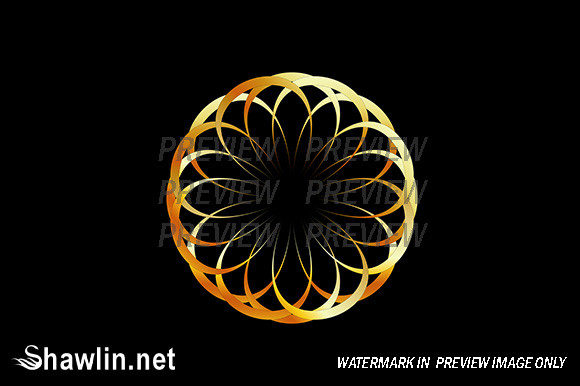
Celtic Floral Decoration or Tattoo Art
Celtic floral decoration and tattoo art blend ancient symbolism with intricate design, offering a unique way to express identity, heritage, or personal meaning. Rooted in the traditions of early Celtic cultures, these designs often feature interwoven patterns, knots, and stylized plant forms that carry deep cultural significance. Whether as body art or decorative elements, they provide a timeless aesthetic that resonates with many people today.
Understanding Celtic Floral Design
Celtic floral art is more than just visual appeal—it’s a reflection of history, nature, and spirituality. These designs often incorporate elements like vines, leaves, flowers, and geometric shapes that symbolize growth, continuity, and connection. The use of knotwork, which is a hallmark of Celtic art, adds layers of complexity and meaning. Each element can represent something different, from protection to fertility or even the cycle of life.
For those interested in tattoos, the floral motifs are often combined with other traditional Celtic symbols such as spirals, crosses, or animals. This creates a personalized form of expression that can be both meaningful and visually striking. The same principles apply to decorative uses, whether in home decor, clothing, or accessories.
Practical Applications of Celtic Floral Art
Celtic floral design finds its way into various industries and personal projects. In the world of tattooing, it's a popular choice for those looking for something with cultural depth and artistic flair. Many clients seek out these designs to honor their ancestry, celebrate personal milestones, or simply appreciate the beauty of the patterns.
For designers and artists, Celtic floral motifs offer a versatile foundation for creating logos, branding materials, or custom illustrations. The intricate details make them ideal for high-end fashion, jewelry, or even architectural embellishments. When working with these designs, attention to symmetry and balance is key, as the patterns are often meant to be visually harmonious.
Homeowners and interior decorators also use Celtic floral elements to add a touch of tradition and elegance to their spaces. From wall art to textiles, these designs can complement both modern and rustic settings. They bring a sense of history and craftsmanship that can elevate any room.
Scenarios Where Celtic Floral Art Is Useful
One common scenario involves individuals who want to get a tattoo but aren’t sure where to start. Celtic floral designs can serve as a starting point, offering a range of options from simple outlines to highly detailed pieces. For example, someone might choose a small leaf motif to symbolize growth or a larger vine pattern to represent strength and resilience.
Another situation arises when businesses or brands want to incorporate cultural elements into their identity. A boutique clothing line might use Celtic floral prints on fabric, while a wellness center could feature these designs in their logo or marketing materials. The key is to ensure that the designs are respectful and accurately reflect the cultural context.
Artists and illustrators may also find value in using Celtic floral patterns for digital or physical artwork. These designs can be adapted for different mediums, including watercolor, digital illustration, or embroidery. The availability of vector files makes it easier to scale and modify the artwork for various projects.
Considerations Before Using Celtic Floral Art
Before choosing or applying Celtic floral design, it's important to consider the source and meaning behind the symbols. Some elements have specific cultural or religious significance, and using them without understanding their origins can lead to misinterpretation or insensitivity. Researching the history and symbolism of each design helps ensure that it’s used appropriately.
For tattoo enthusiasts, consulting with a skilled artist is crucial. A professional can help tailor the design to fit the body’s natural curves and ensure that the final result meets expectations. It’s also important to discuss aftercare instructions, as proper healing is essential for maintaining the quality of the artwork.
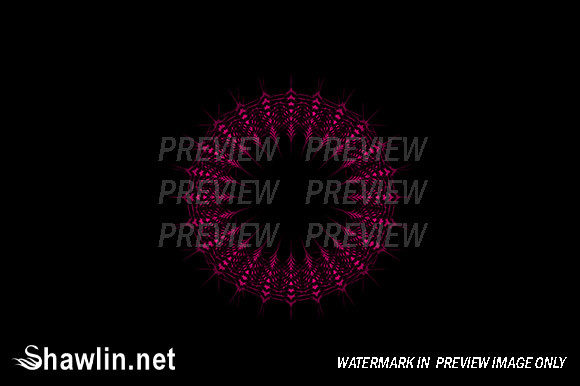
When working with digital files, such as vector EPS or high-resolution JPGs, users should check compatibility with their software. Older versions may not support all features, so testing the files beforehand can prevent technical issues. Additionally, ensuring that the artwork is free of watermarks (except for preview images) allows for seamless integration into personal or commercial projects.
Benefits and Limitations of Celtic Floral Art
The main benefit of Celtic floral design is its versatility. It can be adapted to suit different styles, preferences, and purposes. Whether as a subtle tattoo or a bold piece of home decor, it offers a rich visual language that speaks to many people. The cultural depth of these designs also adds a layer of meaning that can be deeply personal.
However, there are limitations to consider. Some designs may be too complex for certain applications, especially if they require a lot of detail. In tattooing, for example, overly intricate patterns can fade or lose definition over time. Similarly, in digital formats, large files may take longer to load or require more storage space.
Despite these challenges, the enduring appeal of Celtic floral art continues to attract new audiences. Its ability to connect people with history, nature, and creativity makes it a valuable resource for artists, designers, and individuals seeking meaningful expression.